Lately, everyone seems to be talking about how the skincare world is really catching on to powerful ingredients, and one that’s been getting a lot of buzz is this99% Pure Sodium Ascorbyl Phosphate Powder. Honestly, it’s a pretty impressive form of Vitamin C that can do some amazing things for your skin. People are always curious about how to add it into their routines, right?
A lot of brands love to point out its antioxidant superpowers — it can really help brighten up dull skin and even improve how your skin feels and looks. But here’s the thing: figuring out how to use it properly can be a bit tricky. Getting the right mix and formulation isn’t always straightforward, and mixing it with other products can sometimes turn into a bit of a hassle.
Even though it offers great benefits, you’ve got to keep in mind that everyone’s skin reacts a little differently. So, it’s super important to do a patch test first, just to be safe. And don’t expect overnight miracles — patience is key here. But if you’re careful with how you use it, this powder really has the potential to seriously step up your skincare game.
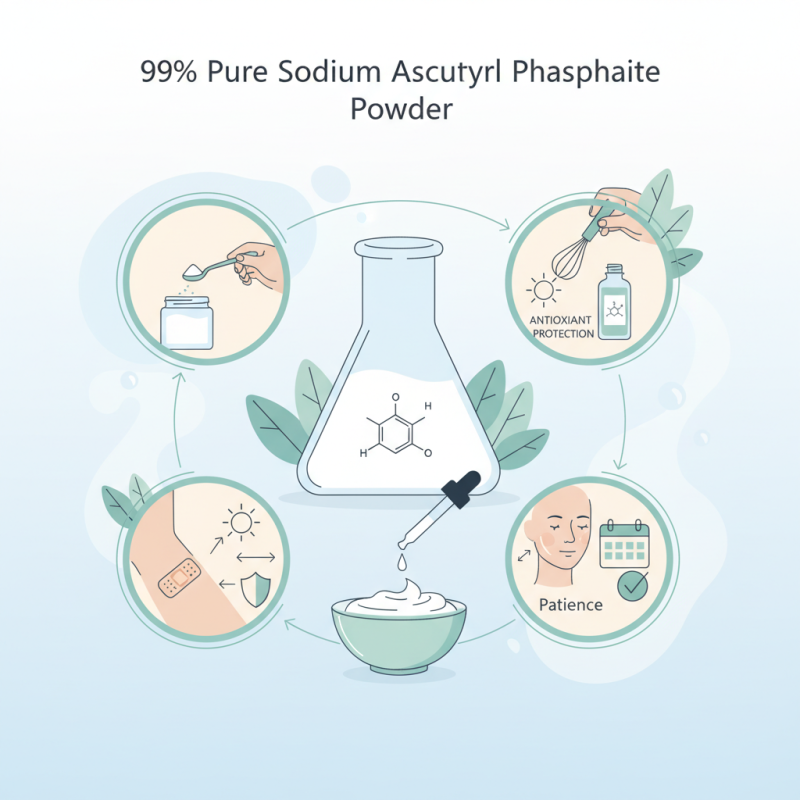
Sodium Ascorbyl Phosphate is a stable form of Vitamin C. It can Brighten Skin effectively. This compound converts to ascorbic acid in the skin, promoting collagen synthesis. It offers antioxidant properties, protecting cells from damage. The powder form is versatile for formulations.
You may find it challenging to use Sodium Ascorbyl Phosphate Powder properly. Mixing it with other ingredients can be tricky. It needs precise measurements for effectiveness. Remember that stability is key. If not handled well, the final product may not work as intended. Testing small batches is wise.
When preparing, consider the pH level. Sodium Ascorbyl Phosphate works best in specific pH ranges. It can feel daunting to maintain these limits. Track your progress and note changes. This method requires patience and care, as results won't appear overnight.
Sodium ascorbyl phosphate is a stable form of vitamin C. This compound plays a significant role in skincare. It is known for its antioxidant properties. Its molecular structure allows for easy absorption into the skin.
One interesting property is its ability to brighten the complexion. Users often notice a reduction in dark spots. This makes it a popular choice for brightening serums. However, understanding its chemical composition is crucial. Sodium ascorbyl phosphate is made from ascorbic acid. The phosphate group stabilizes it, enhancing its shelf life.
Tips: Always check for purity. Look for powders containing at least 99% sodium ascorbyl phosphate. Combine it with other skincare ingredients carefully. Some users report irritation when mixing with acids. It’s wise to perform a patch test before applying widely. Be aware that results may vary. Not everyone sees immediate improvements.
Sodium Ascorbyl Phosphate (SAP) is a potent antioxidant. It helps to brighten skin and reduce signs of aging. This unique form of vitamin C is stable and effective. It fights free radical damage and promotes collagen production. Regular use can transform dull skin into a healthier-looking complexion.
When using 99 percent pure Sodium Ascorbyl Phosphate Powder, mix it with a suitable carrier. For serum, combine it with a light oil or water. Use only a small amount, as a little goes a long way. It’s crucial to test for skin sensitivity. Some users may experience irritation, especially at first.
Pampering your skin should never feel rushed. Take time to understand how your skin reacts. Every skin type is different. Evaluate the results after a few weeks. Adjust your formulation accordingly. Always aim for that perfect balance. It's a delicate dance of ingredients. Remember, effective skincare requires careful consideration and reflection.
When formulating with Sodium Ascorbyl Phosphate, it's crucial to understand the recommended concentrations. Industry standards suggest that optimal concentration ranges from 1% to 5% in skincare products. Lower concentrations may yield minimal effects. Conversely, higher concentrations can lead to skin sensitivity. It’s essential to strike the right balance.
Mixing Sodium Ascorbyl Phosphate with other ingredients can enhance efficacy. For example, combining it with Hyaluronic Acid can boost hydration. However, be cautious with pH levels; Sodium Ascorbyl Phosphate works best in a pH range of 6 to 7. Formulations outside this range may not show the desired benefits.
Tips for effective use include starting with a lower concentration and gradually increasing it. This approach helps gauge skin tolerance. Keep track of how your skin reacts. Record any irritation or sensitivity. Adjust the formulation based on these observations. Monitoring results aids in refining the product for better outcomes.
Sodium Ascorbyl Phosphate (SAP) is a stable form of vitamin C, highly valued in cosmetics. It offers many benefits, including brightening skin and providing antioxidant protection. Incorporating 99 percent pure SAP powder into cosmetic formulations requires careful consideration.
To begin with, mix the powder in water-based formulations. It dissolves well in water, ensuring an even distribution. Use warm water to speed up the dissolving process. However, if the temperature is too high, the stability of SAP may diminish. Adjust accordingly.
Consider the pH of the final product. Sodium Ascorbyl Phosphate is most effective at a pH level between 6 and 7. If the formula is too acidic, it could convert to ascorbic acid, losing its benefits. Adding pH stabilizers can help maintain the right balance. Some trial and error may be necessary to achieve optimal results. Experimentation with different concentrations is also vital. Too much SAP can cause irritation, while too little may not provide desired effects. Finding the right blend is a process that requires patience.
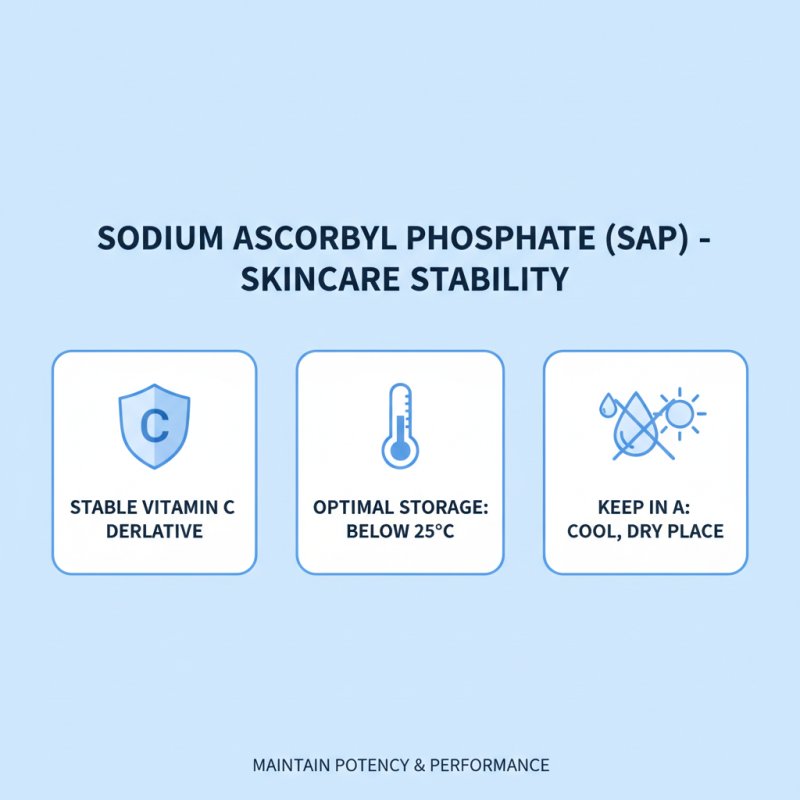
Sodium Ascorbyl Phosphate (SAP) is highly effective in skincare. However, its stability and storage conditions are critical for optimal performance. This compound, which is a stable form of Vitamin C, can degrade in poor conditions. The ideal storage temperature is below 25 degrees Celsius. Humidity can also impact its efficacy. Keeping it in a cool, dry place is essential.
When using SAP, avoid exposure to light. Light can break down many cosmetic ingredients. Use opaque containers to shield the powder from UV rays. This simple step can greatly extend its shelf life and effectiveness. Research shows that products stored correctly show up to 90% of their expected potency over six months.
Tips: Always check the packaging for expiration dates. Even stable ingredients can lose potency over time. If you notice any discoloration or changes in texture, it may be time to replace it. Remember, proper storage is not just about making it last longer; it's also about maintaining its beneficial properties. Consider incorporating Aminopropyl Ascorbyl Phosphate into your regimen, but store it wisely for best results.
Sodium Ascorbyl Phosphate (SAP) is a stable form of vitamin C. It's often used in skincare. Its benefits include brightening skin and reducing signs of aging. However, it’s important to be aware of potential side effects. Some users might experience irritation or allergic reactions. It's best to do a patch test before full application.
Proper usage of SAP can help minimize adverse effects. Mix a small amount with your favorite moisturizer. Apply it every other day. This can help your skin adjust gradually. If irritation occurs, reduce frequency or discontinue use. Always consult a dermatologist if needed.
Tips for using SAP:
- Keep it away from direct sunlight.
- Store in a cool, dry place.
- Track how your skin responds weekly.
Being mindful of how your skin reacts will enhance your experience with SAP. Overuse can lead to issues, so moderation is key. Listen to your skin and adjust accordingly.
| Property | Details |
|---|---|
| Chemical Name | Sodium Ascorbyl Phosphate |
| Molecular Formula | C6H7NaO6P |
| CAS Number | 97375-27-4 |
| Purity | 99% |
| Primary Use | Skincare antioxidant |
| Applications | Serums, creams, lotions |
| Safety Rating | Generally recognized as safe |
| Potential Side Effects | Irritation, redness in sensitive skin |
| Storage Conditions | Cool, dry place away from sunlight |
scorbyl Phosphate used for?
Combine it with a light oil or water for a serum. Use only a small amount to start.
Some users may experience irritation, especially with initial use. Testing helps avoid adverse reactions.
Optimal concentrations range from 1% to 5% in skincare. Lower amounts may have minimal effects.
Yes, mixing with hyaluronic acid can boost hydration. Just ensure pH levels are between 6 and 7.
After a few weeks of use, evaluate results. Consider adjusting your formulation based on those results.
Yes, higher concentrations may lead to skin sensitivity. It's essential to find the right balance.
Keep track of your skin’s reaction. Adjust the product and concentration as needed to improve outcomes.
Sodium Ascorbyl Phosphate (SAP) is a stable and effective derivative of vitamin C, known for its robust antioxidant properties and benefits for skincare and overall health. The chemical composition of 99% Pure Sodium Ascorbyl Phosphate Powder plays a crucial role in its effectiveness, contributing to skin brightening, anti-aging, and enhancing collagen production. In cosmetic formulations, it is recommended to use specific concentrations adhering to industry standards to optimize efficacy.
Incorporating 99% Pure Sodium Ascorbyl Phosphate Powder into products can be achieved through various methods, ensuring it is mixed properly to maintain its stability. Proper storage conditions are vital to preserve its potency. While generally safe, users should be aware of potential side effects and adhere to suggested usage guidelines to ensure the best results from this powerful skincare ingredient.